Planning an international trip is exciting — until you start thinking about flight delays, lost baggage, sudden illness, or emergencies abroad. If you’re traveling from countries outside the US/UK, choosing the right insurance can feel confusing. Policies differ by region, coverage varies widely, and many guides online assume you’re from the US or the UK.
This comprehensive guide breaks everything down step by step, helping you confidently select the best travel insurance for international travelers, no matter where you live — India, UAE, Philippines, South Africa, Europe, South America, or anywhere else.
Why Travel Insurance Matters for International Travelers
Before selecting a plan, it’s important to understand why travel insurance for international travelers is essential. Medical care abroad — especially in the US, Canada, Europe, Japan, or Australia — can be extremely expensive. Even minor injuries can cost thousands of dollars without coverage.
With good insurance, you get:
- Financial protection from medical emergencies
- Coverage for trip cancellations and interruptions
- Protection against lost baggage and delayed flights
- Peace of mind during adventure activities
- 24/7 global support
Buying the right policy isn’t just smart — it’s necessary.
Step-by-Step Guide: How to Choose the Right Travel Insurance When You’re From Outside US/UK
Step 1: Understand What Type of Traveler You Are

Every traveler needs a different kind of protection. Ask yourself:
✔ What kind of trip are you taking?
- Short vacation
- Long-term travel
- Study abroad
- Business trip
- Working holiday
- Backpacking
✔ Who are you traveling with?
- Solo
- Family
- Group tour
✔ What activities will you do?
- Adventure sports
- Road trips
- Cruises
- High-altitude trekking
- Remote travel
Your policy should match your travel style. For example:
- Backpackers need long-duration coverage
- Students need medical + tuition protection
- Adventure travelers need sports coverage
- Families need child-specific benefits
Step 2: Check the Visa and Entry Requirements of Your Destination
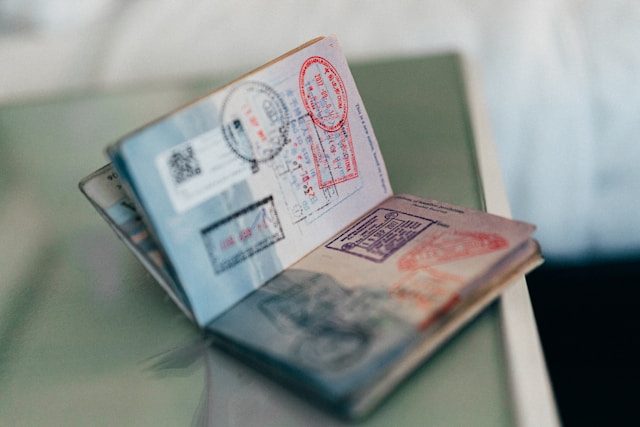
Some countries require travel insurance for entry, especially for travelers from outside US/UK.
Countries that commonly require insurance:
- Schengen Area (Europe) – Mandatory medical coverage of at least €30,000
- UAE – Often required for tourist visas
- Turkey
- Cuba
- Thailand (some visa types)
Before buying your plan, check:
✔ Minimum medical coverage
✔ Repatriation requirement
✔ Specific COVID-19 requirements (if applicable)
✔ Validity for the entire stay
This ensures your travel insurance for international travelers meets legal entry requirements.
Also Read – How to Travel Across Asia on a $30 a Day Budget (Ultimate Global Guide for 2026)
Step 3: Compare Medical Coverage — The Most Important Part
Medical costs abroad vary dramatically. A good plan should cover:
✔ Emergency medical treatment
Minimum recommended: $100,000–$250,000
✔ Hospitalization + surgery
✔ Emergency evacuation
Essential for remote locations or adventure travelers.
✔ Repatriation of remains
✔ Daily allowance for hospitalization
✔ Pre-existing illness coverage (if needed)
Some companies offer add-ons.
Why this step matters
In countries like the US, Japan, or Singapore, a single day in the hospital can cost more than a luxury vacation. Your medical coverage should reflect where you are going.
Step 4: Check Non-Medical Benefits (Often Overlooked)
Medical coverage is essential, but don’t ignore the non-medical protections:
✔ Trip cancellation
Covers:
- Illness/injury
- Natural disasters
- Visa refusal
- Airline bankruptcy
✔ Trip interruption
Reimbursement if you must return home early.
✔ Lost baggage
Helps replace essential items.
✔ Baggage delay
Covers emergency purchases like clothes or toiletries.
✔ Missed flight connections
Great for long or multi-city routes.
✔ Passport & document protection
These benefits can save you hundreds or thousands of dollars.
Step 5: Understand What Isn’t Covered (Exclusions)
Every travel insurance for international travelers comes with exclusions. Always read carefully.
Common exclusions:
- High-risk adventure sports
- Traveling against medical advice
- Injury under alcohol influence
- Pre-existing medical conditions
- Pregnancy beyond a certain week
- Claims without proper receipts
- Extreme activities like deep-sea diving or skydiving
Tip: If you plan to do sports, buy an adventure add-on.
Step 6: Compare Insurance Providers from Your Home Country
Travelers outside the US/UK often have different insurance companies available. Look for:
Popular international-friendly insurance providers:
- World Nomads
- SafetyWing
- Allianz
- IMG Global
- Trawick International
- Tata AIG (for Indian travelers)
- Care Insurance (India)
- AXA
- Europ Assistance
What to compare:
✔ Premium cost
✔ Coverage limits
✔ Customer reviews
✔ Claim settlement ratio
✔ 24/7 helpline quality
✔ Country-specific support
Choose a provider that offers strong protection in your destination country.
Step 7: Check If Adventure or Sports Coverage Is Needed

If your trip includes:
- Scuba diving
- Skiing
- Snowboarding
- Bungee jumping
- Hiking above 3,000–5,000 meters
- Paragliding
- Motorbike riding
You’ll need a policy that specifically includes these. Many standard policies exclude them.
Step 8: Evaluate Single-Trip vs Multi-Trip Plans
Depending on how often you travel:
✔ Single-trip plan
Best for one-time vacations.
✔ Multi-trip annual plan
Best if you travel 3+ times per year.
Frequent travelers save money with annual plans.
Step 9: Check Hospital Network & Cashless Coverage
A great policy gives you access to international hospitals that accept cashless claims.
Benefits:
- No upfront payment
- Faster treatment
- Better hospital choices
Always check if your insurer has partnerships in your destination country.
Step 10: Calculate the Total Cost & Compare Value
Cheapest is not always best.
Consider the value, not just the price.
Compare:
- Deductibles
- Coverage limits
- Add-ons
- Claim process
- Customer support
Sometimes spending $10–20 more gives you 10× better protection.
Step 11: Read the Fine Print (Yes, Really!)
Look for key details such as:
- Waiting period
- Claim procedures
- Required documents
- Refund policy if visa rejected
- Age limit for senior travelers
Understanding these helps avoid claim rejections later.
Step 12: Buy Early — Don’t Wait Till the Last Minute
Buy travel insurance as soon as you book your tickets.
Why?
- Some benefits apply only if bought in advance (like cancellation).
- Premiums may increase close to departure.
- Sudden illness or emergency before travel won’t be covered if you purchase late.
Tips to Save Money on Travel Insurance for International Travelers
Here are smart ways to reduce costs:
- Buy long-duration or multi-trip plans
- Avoid unnecessary add-ons
- Compare multiple insurers
- Choose family bundles if traveling together
- Check your credit card — some cards already include basic insurance
- Buy during discounts or festive seasons
1. Do I really need travel insurance for international travel?
Yes. It protects you from high medical bills, lost baggage, emergencies, and cancellations.
2. Which countries require insurance for entry?
Schengen Europe, UAE, Cuba, Turkey and some others depending on visa type.
3. What is the ideal coverage amount?
At least $100,000 to $250,000 for medical coverage.
4. Is adventure sports coverage included?
Usually no — you must buy it as an add-on.
5. Can I buy travel insurance after reaching my destination?
Mostly no. Buy before departure for full benefits.